WAS Auto WAS Auto

Top 10 Tips for Breaking in New Brake Pads and Rotors?

Time:2026-06-01 Author:Amelia
0%

When it comes to vehicle maintenance, understanding how to break in new brake pads and rotors is crucial. Proper break-in procedures can significantly enhance the performance and longevity of your braking system. This process, often overlooked, ensures that your new components function optimally and safely.

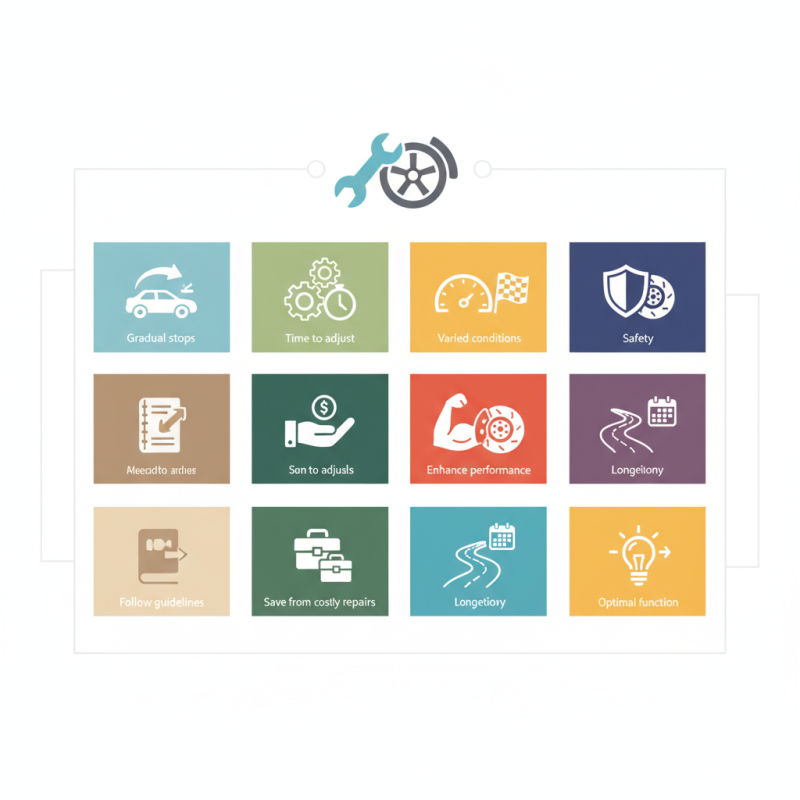
Brake pads and rotors need time to adjust to each other. If not done correctly, performance issues may arise. You may experience reduced braking efficiency or premature wear. The break-in phase is not just a suggestion; it's essential for achieving the best results. Start by gently applying the brakes in varied conditions. Avoid hard stops right away. Instead, practice gradual stops to allow the materials to settle.

For best practices, follow manufacturers' guidelines closely. They often provide specific recommendations on how to break in new brake pads and rotors. However, personal experiences can vary. Keep an eye on your braking response during this period. This attention can help identify any irregularities. Remember, the right approach today can save you from costly repairs tomorrow.
Top 10 Tips for Breaking in New Brake Pads and Rotors?

Understanding the Importance of Proper Brake Pad and Rotor Break-In

When you install new brake pads and rotors, proper break-in is crucial. This process establishes a good interface between the pads and rotors. Without it, you might experience reduced braking efficiency and uneven wear.

During the break-in period, use moderate pressure when braking. This helps to transfer a layer of material from the pads to the rotors. Avoid heavy braking initially. It can cause glazing, leading to a hard surface that reduces friction. Many times, drivers overlook this step, leading to premature wear.

Listen for any unusual noises during the break-in phase. Squeaking can indicate improper installation or an issue with the components. It’s essential to monitor performance closely. Initial discomfort in braking feels normal, yet it should improve over time. Regular inspections will help ensure everything is functioning correctly.

Identifying Signs of New Brake Pads and Rotors Installation

Identifying signs of new brake pads and rotors installation is crucial for car safety and performance. One of the first signs is audible noise. New pads often emit a squeaking or squealing sound. This can indicate improper installation or poor quality materials. According to the National Highway Traffic Safety Administration, nearly 22% of all vehicle crashes involve brake-related issues. Being attentive to these sounds can prevent accidents.

Another sign to watch for is vibration when braking. This can signal uneven wear or warped rotors. A study from the Automotive Research Institute shows that 30% of brake issues stem from rotor-related problems. If the brake pedal feels pulsating, it’s essential to inspect the rotors. Look for any visible signs of wear or damage on the rotor surface. Uneven ridges or scoring marks may require further attention.

Lastly, examine the brake response time. New pads and rotors should provide immediate feedback. Delayed response can indicate poor installation or compatibility issues. Given that brake performance can significantly impact vehicle safety, regular checks and assessments are crucial. Monitoring these signs soon after installation ensures optimal performance and enhances safety on the road.

Step-by-Step Guide to Initial Brake Use After Installation

After installing new brake pads and rotors, it's crucial to allow them to break in properly. This process ensures optimal performance and longevity. Begin by gently applying the brakes several times at moderate speeds. Gradually increase your speed up to about 60 mph. Each gentle brake application should bring the vehicle down to a stop. This method helps embed the pad material onto the rotor surface.


Over the next few hundred miles, avoid heavy braking. It's tempting to test the new brakes fully, but gentle braking will benefit the break-in process. During this time, listen for any unusual noises, like squeaking or grinding. If you notice these sounds, revisit the installation process to ensure everything is properly fitted.


Finally, after around 200 miles of light use, inspect the brake components for even wear. Look for signs of uneven disc surface or discoloration. Gathering this feedback can enhance your understanding of the brake system's needs. This careful approach establishes a solid foundation for your braking performance while allowing for future adjustments based on your observations.

Best Practices for Gradual Braking and Heat Generation

When breaking in new brake pads and rotors, gradual braking is essential. This process helps establish a proper contact patch between the pad and rotor. Start by driving at a moderate speed. Abrupt stops can lead to uneven wear and increased heat.

Aim for gentle presses on the brake pedal. In the first few hundred miles, try to avoid hard braking. Instead, practice light braking from different speeds. This helps generate even heat. Aim for a smooth application of pressure. Over time, you will notice improved responsiveness.

Heat generation is crucial in the brake-in procedure. Allow your brakes to cool down between light stops. Aiming for a series of gradual stops can create an optimal surface. Each application should gradually increase in intensity. However, it's important to listen to your vehicle. Any unusual sounds can indicate a need for adjustment. Patience is key; rushing can lead to complications. Your brakes will thank you.

Monitoring Performance and Adjusting Driving Habits During Break-In Period

When breaking in new brake pads and rotors, monitoring performance closely is essential. This period typically lasts about 500 to 1,000 miles. During this time, you may notice changes in stopping distance and pedal feel. Pay attention to any unusual noises or vibrations. These could indicate improper installation or compatibility issues.


Adjusting your driving habits can significantly impact the break-in process. Avoid hard stops and aggressive driving techniques. Instead, focus on gradually applying the brakes during regular driving. This helps ensure an even wear pattern. Gentle driving fosters optimal performance and longevity of your braking system.


Reflect on your driving style. If you find yourself speeding or frequently performing harsh stops, it may hinder the break-in period. Consider adopting smoother acceleration and braking habits. Consistent monitoring during this time will allow you to assess the effectiveness of your adjustments. Your attention to these details can contribute to a safer driving experience.

FAQS

: How should I start using new brakes after installation?

: Begin by gently applying the brakes at moderate speeds. Gradually increase speed up to about 60 mph while stopping.

What should I avoid during the first few hundred miles?

Avoid heavy braking during this period. Tempting as it may be, gentle braking is crucial for proper break-in.

Are there any signs I should watch for while braking in?

Listen for unusual noises like squeaking or grinding. These sounds may suggest installation issues or problems.

How can I monitor the brake performance during the break-in period?

Pay close attention to stopping distance, pedal feel, and any vibrations. These indicate the need for adjustments.

What kind of braking technique is recommended?

Use gradual brake pressure and avoid abrupt stops. Smooth application fosters even wear and improves heat distribution.

How long does the break-in period usually last?

The break-in period generally lasts about 500 to 1,000 miles, allowing optimal performance to develop.

What happens if I drive aggressively during the break-in?

Aggressive driving can hinder the process, leading to uneven wear and potential complications with your braking system.

Should I inspect the brake components after the break-in?

Yes, after around 200 miles, check for even wear and any discoloration on the surfaces for insights into brake health.

How can I adjust my driving habits for better brake performance?

Adopt smoother acceleration and braking habits. This reflection can enhance the effectiveness of the break-in process.

Is it necessary to cool the brakes during breaks?

Yes, allowing brakes to cool between light stops helps maintain an optimal surface for better performance.

Conclusion

Properly breaking in new brake pads and rotors is essential for optimal performance and longevity. Understanding the break-in process helps ensure that the components form a proper mating surface, which can enhance braking efficiency and reduce wear. It's important to recognize signs indicating the installation of new brake pads and rotors, including unusual noises or decreased braking effectiveness.

To learn how to break in new brake pads and rotors effectively, follow a step-by-step guide that emphasizes gradual initial braking. This includes varying your braking intensity and allowing heat to build appropriately, which aids in the proper seating of the pads against the rotors. By monitoring your vehicle's braking performance and adjusting your driving habits during the break-in period, you can ensure safe and effective braking. Adopting these best practices can help maximize the lifespan of your new brake components.

Amelia

Amelia

Amelia is a seasoned marketing professional with a wealth of expertise in our company’s core offerings. With an unwavering passion for driving growth and innovation, she plays a pivotal role in shaping our marketing strategies and enhancing brand visibility. A key aspect of her responsibilities......