WAS Auto
Brake discs are essential for vehicle safety, yet they are prone to rust. If left unchecked, rust can compromise performance. This guide explores how to remove rust from brake discs effectively. Understanding this process is vital for both car enthusiasts and everyday drivers.
Rust can develop due to moisture and lack of use. Ignoring it poses risks such as reduced braking efficiency. Knowing how to remove rust from brake discs can help maintain your vehicle's performance and extend its lifespan. Techniques vary, and some may involve chemicals or tools that require careful handling.
While many methods exist, they come with challenges. Some techniques may not completely eliminate rust, and improper use can lead to damage. It's important to assess your options carefully. This guide offers ten effective ways to tackle rust on brake discs. Choose the method that best fits your situation and skill level.
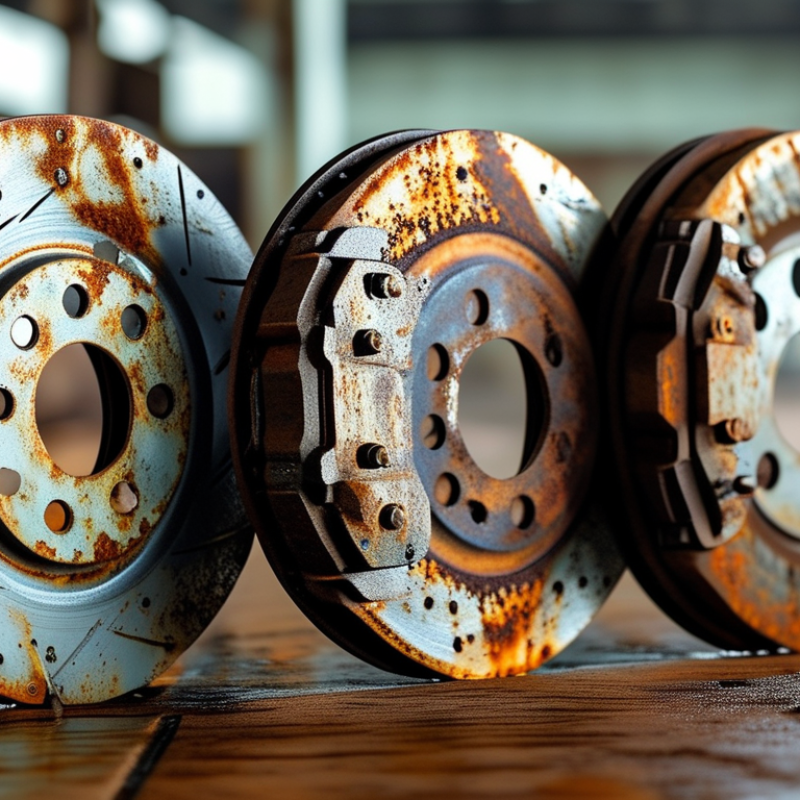
Rust can form on brake discs due to moisture, dirt, and prolonged exposure to air. This layer of rust can compromise the braking system. It can lead to uneven braking performance, increased stopping distances, and potential safety hazards. Understanding how rust develops is key to addressing it efficiently.
Neglecting rust on brake discs can lead to severe consequences. Regular inspection is essential. If you notice a reddish-brown coating, take action immediately. Cleaning the discs not only enhances performance but also extends their lifespan.
Rust on brake discs can compromise vehicle safety. Fortunately, household products can be effective for rust removal. Before you start, ensure the vehicle is parked on a flat surface and the wheels are secure. Vinegar is a popular household item for this purpose. Its acetic acid can penetrate rust effectively. Apply vinegar directly to the rusted areas using a spray bottle. Let it sit for about 30 minutes.
Baking soda is another great option. Mix it with water to create a paste. Apply this paste to the rust spots and scrub gently with a brush or cloth. This method not only cleans but also helps prevent future rusting. A report from the Society of Automotive Engineers (SAE) highlights that regular maintenance can increase the lifespan of brake components significantly.
Be cautious with scrubbing. Too much pressure can damage the disc surface. Once rust is removed, rinse the area with water. Dry it thoroughly to prevent new rust from forming. Household rust removal is an accessible solution, but it may not always restore discs to the original condition. Evaluating the results critically can help determine if professional help is necessary.
| Method | Ingredients Required | Instructions | Effectiveness |
|---|---|---|---|
| Vinegar Soak | White vinegar | Soak a cloth in vinegar and apply it to the rusted area for several hours. | High |
| Baking Soda Paste | Baking soda, water | Mix baking soda with water to form a paste, apply to rust, and scrub. | Medium |
| Lemon Juice and Salt | Lemon juice, salt | Mix lemon juice and salt, apply to rust, and leave for a few hours. | High |
| Potatoes with Dish Soap | Potato, dish soap | Cut a potato in half, add soap to the cut side, and scrub the rust. | Medium |
| Sandpaper or Steel Wool | Sandpaper, steel wool | Gently sand the rusted area until clean. | Very High |
| Coca-Cola Soak | Coca-Cola | Soak cloth in Coke and apply to rusted area for a few hours. | Medium |
| Rust Remover Spray | Commercial rust remover | Spray on rust and follow product instructions. | Very High |
| Electrolysis | Battery charger, water, washing soda | Setup an electrolysis bath and connect the charger. | Very High |
| Porous Material Rubbing | Cardboard, pumice stone | Rub rust with the abrasive material. | Medium |
| WD-40 Application | WD-40 lubricant | Spray onto rust and wipe clean with a cloth. | High |
Many car owners face the challenge of rust on brake discs. It can impact braking performance and vehicle safety. Using specialized brake cleaners can be an efficient solution. These products are designed to target the specific compounds that cause rust and corrosion. Their powerful formulations help to break down rust effectively without damaging the brake components. For best results, always follow the manufacturer’s instructions when using these cleaners.
Applying brake cleaner requires care. Spray it directly on the affected areas and let it sit for a few minutes. This allows the cleaner to penetrate the rust. Afterward, scrub the area with a soft brush to remove the residue. It’s vital to wear protective gloves and goggles during the process. Not everyone realizes that excessive scrubbing can damage the discs. Balancing effort and caution is key.
Utilize brake cleaner in a well-ventilated space to ensure safety. When working with such products, it’s easy to forget about potential fumes. Proper ventilation reduces risks. Maintaining brake components keeps your vehicle in good condition and enhances safety. Regular inspections can help prevent rust build-up, but don’t neglect the occasional cleaning. Ignoring rust may lead to costly repairs down the line.
Brake discs are crucial for vehicle safety, but rust can compromise their effectiveness. For deep rust removal, professional techniques are essential. Start by cleaning the discs thoroughly with a brush and brake cleaner. This initial step ensures that dirt and debris do not mix with rust during treatment.
Next, consider using a rotary tool with a wire brush attachment. This method is effective for hard-to-reach areas and stubborn rust patches. It’s important to apply consistent pressure, but avoid excessive force, as this can damage the disc surface. In some cases, sandblasting may be necessary for severe rust. This method uses high-pressure air and abrasive materials to strip away rust quickly and effectively.
Always remember to inspect the discs after treatment. Look for any signs of pitting or structural damage. Even with the best techniques, some rust may remain. Regular maintenance checks are vital. They help prevent rust from becoming a more significant issue in the future. Effective rust removal is not just about cleaning; it’s about ensuring long-term safety and performance of your braking system.
Rust can be a persistent enemy for brake discs. Regular maintenance plays a crucial role in preventing rust formation. One effective method is to keep the brake discs dry. Moisture is a major contributor to rust. After washing your vehicle, make sure to dry the brake components. Additionally, try to avoid driving in wet conditions whenever possible.
Another preventive measure involves regular inspection of the discs. Look for any signs of corrosion or wear. Addressing these issues promptly can prevent more extensive damage. Keeping brake pads in good condition is also vital. Worn-out pads can trap moisture, leading to increased rust.
Lastly, consider using a rust inhibitor spray. This can create a barrier between the metal surfaces and moisture. It's a simple step that can have lasting effects. However, regular cleaning and inspection should not be overlooked. Finding effective solutions often requires ongoing effort and observation. Ensure that maintaining your brake discs is a routine part of car care. It’s worth the attention.
: You can use vinegar or baking soda. Apply vinegar directly to rust spots and let it sit for 30 minutes.
Yes, mix baking soda with water to make a paste. Apply it, scrub gently, and then rinse.
Avoid applying too much pressure. Excessive scrubbing can damage the disc surface.
Yes, drying is essential. This helps prevent new rust from forming on the surface.
They effectively target rust without damaging brake components. Their formulations are specifically designed for this purpose.
Spray it on the rusted area. Allow it to sit, then scrub with a soft brush.
Not necessarily. Evaluate the results critically. You may decide to seek help if the condition does not improve.
Proper ventilation reduces risks from fumes. It keeps the workspace safe while cleaning.
Ignoring rust can lead to serious safety issues and costly repairs down the line.
Household methods may not always restore discs fully. A realistic evaluation of results is recommended.
Rust formation on brake discs can significantly impact vehicle performance and safety. Understanding the causes of rust is crucial for effective management. The article provides a comprehensive guide on how to remove rust from brake discs, starting with simple household products for surface rust. It emphasizes the efficiency of using specialized brake cleaners with best practices for application. For more stubborn, deep rust, professional techniques are detailed to ensure thorough removal. Additionally, preventive measures are discussed to maintain brake discs and avoid rust reformation, ensuring longevity and optimal braking performance. By following these steps, vehicle owners can effectively manage rust issues and improve their brake system's reliability.
