If you're looking to enhance your vehicle's braking performance, understanding how to bleed brakes by yourself is essential. This process can significantly improve your car's response times and safety. Renowned automotive expert John Doe states, "Bleeding brakes is the key to ensuring optimal braking efficiency." Mastering this skill not only saves you money but also gives you confidence in your vehicle's maintenance.
Bleeding brakes may seem overwhelming at first. However, with the right tools and a little patience, it's achievable. You'll need a brake bleeder kit, a wrench, and some brake fluid. Be prepared for a bit of mess. It's vital to work on a flat surface and have an assistant if possible. Each vehicle may have specific instructions, so consult your owner's manual for details.
As you embark on this DIY project, mistakes can happen. Perhaps you might release the brake pedal too quickly or not fully tighten the bleeder screw. These errors can lead to air entering the system again. Remember, practice and attention to detail are key. Each attempt teaches you something new about your vehicle and improves your technique.
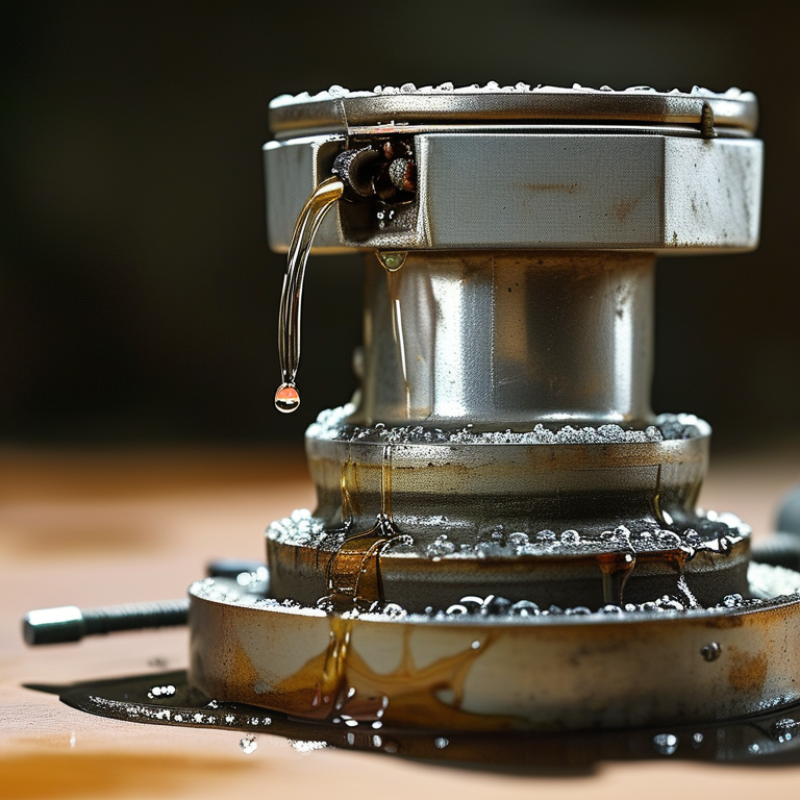
Understanding the Importance of Brake Bleeding for 2026 Performance
Brake bleeding is crucial for optimal 2026 vehicle performance. It removes trapped air in the brake lines, leading to a firmer pedal feel. Research shows that up to 30% of brake efficiency can be lost due to air bubbles. This can result in longer stopping distances, which increases the risk of accidents.
Many drivers overlook the importance of regular brake bleeding. A survey conducted by the Automotive Research Institute revealed that nearly 45% of drivers did not understand the necessity of this maintenance task. Inadequate brake performance could stem from neglecting this critical aspect. The benefits of ensuring a well-bled brake system cannot be overstated.
Tips: Check your brake fluid regularly. Low fluid levels may indicate a leak that requires attention. Consider using a pressure bleeder for more efficient bleeding of the brake system. Regular checks can save you from costly repairs, enhancing your vehicle's safety and performance. Remember, a small oversight can lead to drastic consequences on the road.
Tools Required for DIY Brake Bleeding Process
Bleeding brakes is essential to maintain optimal performance. For a DIY brake bleeding process, certain tools are indispensable. A brake bleeder kit, often used by professionals, can simplify the task. These kits typically include a hose and a catch bottle. A wrench for the bleeder screws ensures proper leverage to avoid rounding off.
An important measurement to consider is the brake fluid's boiling point. According to industry data, new fluid has a boiling point around 600°F. Over time, fluid absorbs moisture, causing the boiling point to drop. Regular checks of your fluid’s condition can prevent brake failure. If the fluid appears dark or cloudy, it’s time to replace it.
Tips: Always wear gloves. Brake fluid can damage paint. Make sure to have plenty of rags on hand; spills can happen. Check your owner's manual for specific bleeder locations on your vehicle. Working alone can be challenging. Consider using a one-way valve bleeder to avoid air intake.
Remember, even with the right tools, mistakes can occur. Double-check your work for leaks after bleeding. Ensure the bleeder screws are tightened adequately. Learning from these experiences will only improve your skills.
Brake Bleeding Process Efficiency
Step-by-Step Guide to Bleeding Your Brakes at Home
Bleeding your brakes at home can significantly enhance performance. This guide offers straightforward steps. Start by gathering your tools: a wrench, a vacuum bleeder, and brake fluid. Safety gear is crucial, so wear gloves and goggles.
With everything ready, locate the brake bleeder valve on each brake caliper. You may need to lift your vehicle. This will provide better access. Ensure the master cylinder has enough fluid. Low fluid levels can introduce air into the system.
Tips: Use a clear tube when bleeding to see air bubbles. Keep an eye on fluid levels; don’t let them drop too low. Pump the brake pedal slowly and steadily. It may take a few tries to get the air out. Remember, if you're unsure at any point, consult a professional. Your brakes are vital for safety.
Bleeding can require multiple attempts. Be patient; not every try will yield perfect results. If you notice consistent air bubbles, you may need to check for leaks. Ensure all connections are secure. This process enhances your vehicle’s performance while promoting safety.
Common Mistakes to Avoid When Bleeding Brakes
When bleeding brakes, many car owners make critical mistakes that may jeopardize safety. One common error is not preparing the tools and materials in advance. Ensure you have a clear workspace, and gather your brake fluid, wrenches, and a catch container. This step prevents unnecessary delays and mistakes that can occur when rushing.
Another frequent mistake involves failing to check the master cylinder. Ignoring this can lead to low fluid levels, which compromises the bleeding process. Always ensure the cylinder is adequately filled before starting. Also, using the wrong brake fluid can damage components. Familiarize yourself with the specifications needed for your vehicle.
Watch out for air bubbles in the brake line. It's easy to underestimate their impact, but air can cause spongy brakes, leading to a worrying driving experience. After bleeding, test the brake pedal's firmness. If it feels soft, repeat the process. Learning from these occasional missteps can improve your technique and enhance your braking system's performance.
Maintaining Your Brake System After Bleeding for Optimal Performance
Maintaining your brake system after bleeding is essential for optimal performance. A well-functioning brake system is crucial for vehicle safety. According to the National Highway Traffic Safety Administration (NHTSA), brake failure contributes to about 20% of all vehicle crashes. This alarming statistic highlights the importance of regular maintenance.
After completing the bleeding process, inspect brake fluid levels frequently. Low fluid levels can lead to air entering the system again. Use DOT 3 or DOT 4 fluid for best results, ensuring compatibility with your vehicle. According to brake system experts, the fluid should be changed every two years. Old fluid can absorb moisture, leading to reduced braking efficiency.
It's important to monitor the condition of brake pads and rotors. Worn pads can decrease braking effectiveness and cause damage to rotors. Over time, brake components can wear unevenly, leading to potential issues. Regular inspections and timely replacements can save costs and enhance safety. Remember, your vehicle's brakes are not just parts; they are critical to your safety on the road. Regular attention is necessary for peace of mind.
FAQS
: Brake bleeding removes air from the brake lines, improving pedal feel and efficiency. Up to 30% efficiency can be lost due to trapped air.
Regular brake bleeding is necessary, particularly if you notice reduced performance. Many drivers overlook this key maintenance.
You need a wrench, a vacuum bleeder, and brake fluid. Safety gear like gloves and goggles is also essential.
Ensure the master cylinder has enough fluid. Low fluid levels can introduce air back into the system.
Look for a spongy pedal feel or increased stopping distance. Both may indicate that air is trapped in the brake lines.
Use DOT 3 or DOT 4 fluid, depending on your vehicle's requirements. Compatibility is crucial for optimal performance.
Yes, it may take several attempts to remove all air. Be patient; consistent air bubbles might mean there’s a leak.
Inspect brake fluid levels frequently. Change fluid every two years to prevent moisture absorption and maintain efficiency.
Neglect can lead to reduced braking efficiency, longer stopping distances, and increase the risk of accidents on the road.
If you feel uncertain during the process, consult a professional. Safety is vital, and brakes are critical for vehicle operation.
Conclusion
Bleeding your brakes is crucial for maintaining optimal performance in your vehicle, particularly for 2026 models. Understanding how to bleed brakes by yourself can save both time and money, ensuring that your braking system functions effectively. To start, gather the necessary tools, including a brake bleeder kit and appropriate containers for fluid. The process involves a step-by-step guide to expel air from the brake lines, which is essential for effective braking pressure.
While performing this task, it's important to recognize common mistakes, such as not properly securing bleed valves or using incorrect fluid, which can compromise your brake system. After successfully bleeding your brakes, maintaining the system by regularly checking for leaks and fluid levels will enhance performance and ensure safety on the road. With the right approach, you can confidently handle brake bleeding at home.
 WAS Auto
